

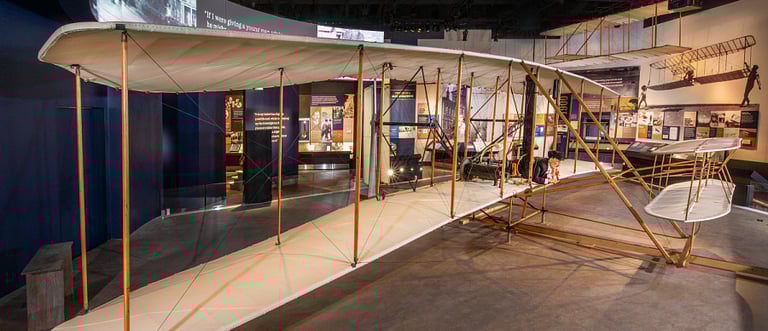
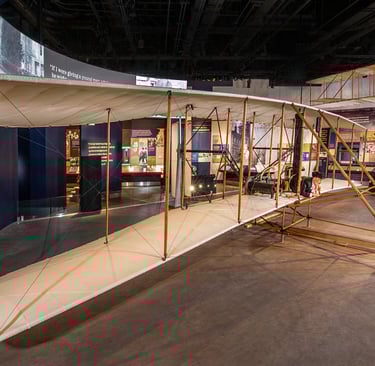
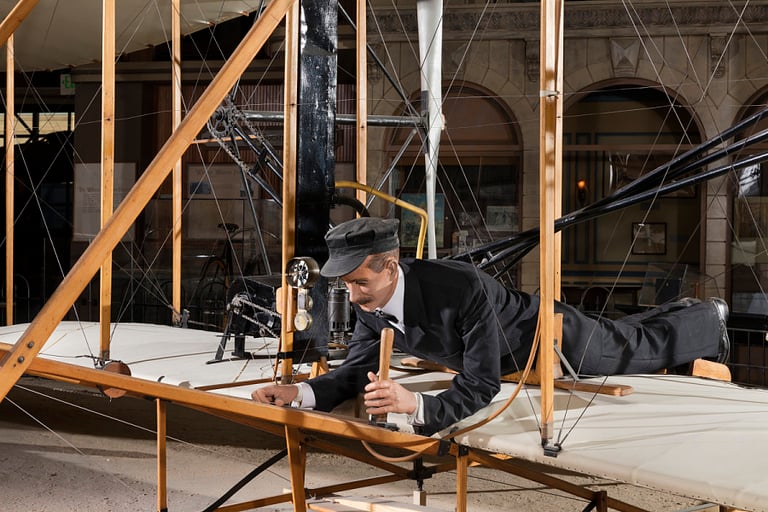
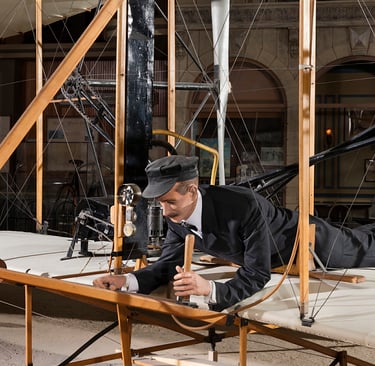
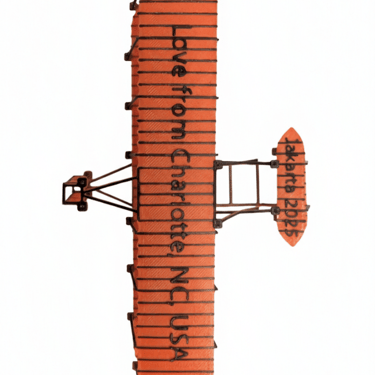
The 1903 Wright Flyer was the first successful powered, controlled, heavier-than-air airplane, designed and built by Orville and Wilbur Wright in Dayton, Ohio. After years of experimenting with gliders, airfoil shapes, and control systems, the brothers transported their new powered machine to Kitty Hawk, North Carolina, where steady winds and soft sand made an ideal test site. On December 17, 1903, the Flyer achieved four flights, the longest lasting 59 seconds and covering 852 feet. Its pioneering three-axis control system—wing-warping for roll, a movable rudder for yaw, and an elevator for pitch—became the foundation of modern aircraft control.
The significance of the Wright Flyer extends far beyond its brief flights. It provided the first proof that powered, controlled flight was achievable and sparked rapid global innovation in aviation technology. The Flyer’s success transformed transportation, military strategy, commerce, and global connectivity, setting humanity on a path toward an entirely new technological era. Today, the original aircraft resides in the Smithsonian National Air and Space Museum, where it symbolizes one of the most consequential engineering breakthroughs in history.
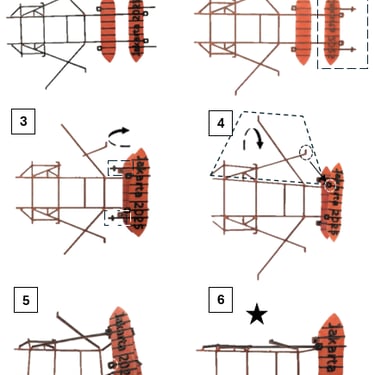
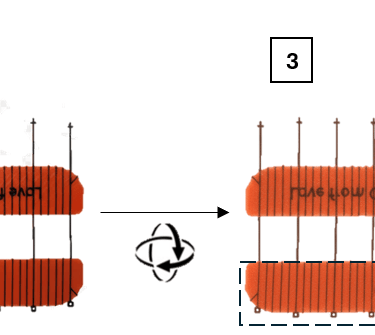
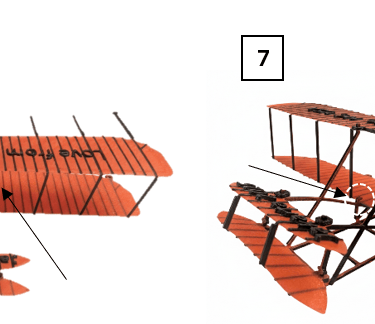
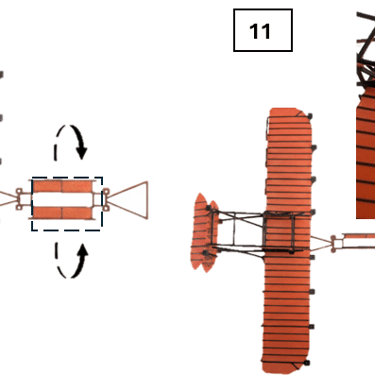
Folding Instructions:
Connect
Support
Legal
ello@ellaign.com
© 2025. All rights reserved.
legal@ellaign.com